
Adaptive reuse is no longer a niche idea in commercial real estate. It has become a practical strategy for owners, developers and investors who need to make older buildings productive again.
The concept is simple. Instead of tearing down a property, owners reposition it for a better use. That may mean turning an office building into apartments, a hotel into multifamily housing, a former department store into medical space or an old retail building into a modern mixed-use asset.
As construction costs, vacancy pressure and financing challenges continue to affect the market, adaptive reuse gives owners another path forward.
Older Buildings Need New Purpose
Many commercial buildings were designed for a market that no longer exists. Some office buildings are too dated for modern tenants. Some retail boxes are too large for today’s users. Other properties sit in good locations but need a new concept.
That is where adaptive reuse becomes valuable.
A recent Long Island redevelopment panel focused on how obsolete commercial properties can be converted into more useful assets. Panelists discussed examples involving former retail and industrial properties becoming medical and healthcare uses, including former Sears and Lord & Taylor spaces.
Medical Reuse Is Becoming a Strong Fit
Medical use continues to appear in adaptive reuse discussions because it can match the needs of older buildings. Healthcare tenants often need access, parking, visibility and large floor plates.
In many cases, those qualities already exist in former retail or office properties. That makes the conversion more practical than starting from scratch.
This is especially important for shopping centers. Medical users can bring steady traffic and can help activate properties that lost traditional retail momentum. For owners, the right healthcare conversion can support both occupancy and long-term asset value.
Office Conversions Are Moving From Theory to Action
Office-to-residential conversion has become one of the most discussed forms of adaptive reuse. Older office buildings face pressure from remote work, changing tenant demand and higher interest rates.
AllianceBernstein noted that municipal incentives and property value resets have started to make some office conversions more realistic. The same article also explained that these projects can help address office vacancy and housing shortages when the numbers work.
Still, not every office building can be converted. Floor depth, windows, plumbing, structure, parking and acquisition price all matter. A bad building at the wrong basis will not become a good project just because adaptive reuse is popular.
Policy Changes Are Helping Some Projects Move
Local government rules can make or break adaptive reuse. Zoning, entitlement timelines, parking requirements and building code issues all affect whether a project can work.
Los Angeles is a good example. The city’s revised adaptive reuse ordinance went into effect on February 1, 2026 and expanded eligibility for more conversion projects. The change includes a rolling 15-year building age rule and broader geographic eligibility within city limits.
That matters because time is money in development. If a conversion can move faster than a ground-up project, it may become more attractive to owners, lenders and investors.
Historic Retail Can Become Modern Commercial Space
Adaptive reuse is not limited to office and housing. Retail properties can also be repositioned into more flexible commercial environments.
In downtown Phoenix, Aardex completed an adaptive reuse renovation of One West Madison, a historic retail property with roughly 27,000 square feet of commercial space. The project preserved historic character while adding modern systems, flexible layouts and experiential tenant possibilities.
That kind of project shows why adaptive reuse can work well in strong urban locations. A building with character can become more valuable when the owner modernizes the systems without erasing the property’s identity.
Hotel-to-Multifamily Conversion Is Also Gaining Attention
Hotel conversions are another active part of the adaptive reuse market. These projects can make sense when a property already has rooms, parking, utilities and common areas that can be adapted for residential use.
In Covington, Louisiana, Red Oak Capital provided an $8.4 million loan for a hotel-to-multifamily conversion project. The former WeStay Suites hotel is being repositioned into an 87-unit apartment community.
That type of project fits the broader trend. Owners are looking for ways to reuse existing structures while meeting housing demand and avoiding the full timeline of new construction.
Louisiana Shows Both Opportunity and Pressure
Louisiana real estate has its own mix of strengths and challenges. Recent reporting on the state’s real estate outlook described steady growth but also noted headwinds from interest rates, policy uncertainty and pressure in parts of the commercial construction market.
That creates a practical environment for adaptive reuse. When financing is tighter and new construction is harder to justify, existing assets deserve a closer look.
For owners in Louisiana and the Gulf South, adaptive reuse may be especially useful when the site is already well located, the structure is sound and the new use fits local demand.
Adaptive Reuse Requires More Than Imagination
A good adaptive reuse project needs creativity, but it also needs discipline. Owners must study the building, the market and the numbers.
The first question is whether the location supports the new use. The second question is whether the building can physically handle the conversion. The third question is whether the project makes financial sense after construction costs, financing, downtime and lease-up risk.
That is where experienced guidance matters. A strong commercial real estate and construction background can help owners evaluate whether a project is realistic. A broader turnkey development perspective can also help connect site selection, due diligence, pre-construction, financing and leasing into one clear plan.
Construction Experience Matters
Adaptive reuse can be more complicated than new construction. Older buildings often hide problems behind walls, slabs, roofs and mechanical systems.
That means the pre-construction phase is critical. Owners should review structure, utilities, access, parking, environmental issues, life safety, code compliance and tenant requirements before committing to a final budget.
A team with deep commercial construction services experience can help identify these issues early. The right review can prevent a promising project from becoming an expensive mistake.
For owners who need direct project help, it can also make sense to contact a real estate and construction team before finalizing the scope.
Market Examples Show the Trend Is Broad
Adaptive reuse is showing up in different markets and different property types. Coverage of Long Island redevelopment, Atlanta leasing activity, office conversion strategy, historic Phoenix retail reuse and Los Angeles conversion policy all point in the same direction.
The market is not simply building new. It is also asking what existing buildings can become.
That shift is important for owners with underused properties. A vacant or outdated asset may still have value if the right use can be matched to the right building.
The Best Projects Start With the Right Basis
Adaptive reuse works best when the purchase price, construction cost and future income all line up. If the basis is too high, the project may fail before it starts.
This is why due diligence is so important. Owners need realistic pricing, realistic rents, realistic timing and realistic construction numbers.
A practical commercial real estate strategy can help owners decide whether reuse, redevelopment, sale or hold strategy makes the most sense. Additional real estate planning insight can help connect market conditions to the property’s long-term value.
Final Thoughts
Adaptive reuse is surging because the market needs practical answers. Owners have older buildings. Tenants have new demands. Cities need housing, activity and stronger tax bases.
However, adaptive reuse is not automatic. It only works when the building, location, cost and end use fit together.
For owners reviewing older commercial assets, the question is no longer just whether a property is outdated. The better question is what the property can become with the right plan, the right financing and the right execution.
For more professional perspective, readers can review this adaptive reuse video insight, project video library, construction video updates, company updates, professional development background, project idea board, market commentary, experienced real estate perspective, property investment guidance, professional real estate background, real estate profile, professional update page or real estate idea board.
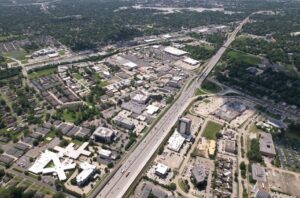
Adaptive reuse helps older commercial buildings become productive assets again.